ByJohn A
What Is Staking and How Does It Generate Rewards?
Staking locks up cryptocurrency to support a network’s operations, from validating transactions to reaching consensus. Rewards come from block rewards, fees, and protocol economics, distributed to participants proportional to stake and participation. The mechanism varies by network, influenced by inflation schedules and security incentives. Higher stake and active involvement typically yield higher returns but introduce risks such as slashing, liquidity constraints, and platform exposure. A careful balance and disciplined custody are essential as the mechanics unfold.
What Staking Is and Why It Matters
Staking is the process by which holders lock up a portion of a cryptocurrency to support network operations, such as validation of transactions and governance functions.
This mechanism shapes staking mechanics and influences validator economics by tying stake to performance incentives, risk exposure, and governance influence.
It clarifies how security, capital efficiency, and network decision making intersect within decentralized ecosystems.
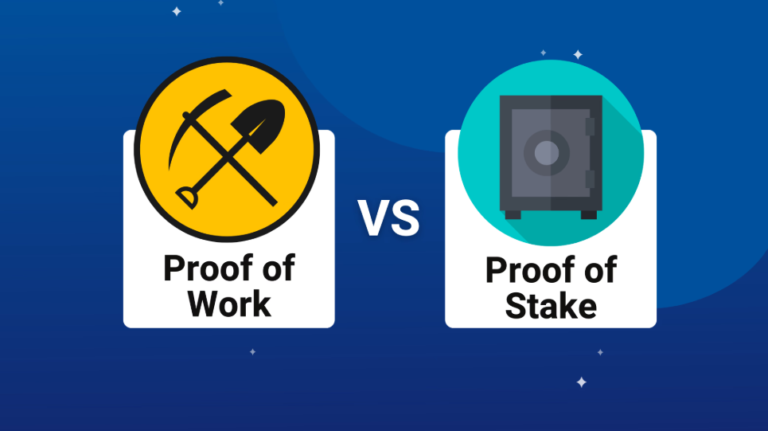
See also: What Is Proof of Work vs Proof of Stake?
How Staking Rewards Work on Major Networks
Across major networks, staking rewards arise from block validation, transaction processing, and protocol security costs, distributed to participants proportional to their stake and participation.
Staking rewards reflect network activity and inflationary schedules, balancing incentives for continued involvement.
Validators secure the system while earning proportional returns; participant engagement drives rewards.
Validator security hinges on stake, uptime, and governance alignment, shaping predictable, merit-based compensation.
Risks, Trade-offs, and Practical Guardrails
Although staking offers potential returns, it also introduces notable risks and trade-offs that participants must weigh. The discussion centers on risks and mitigations, including validator slashing, liquidity constraints, and platform risk.
It contrasts liquidity versus lockup, noting that higher liquidity can dilute rewards while tighter lockup may reduce flexibility. Practical guardrails emphasize diversification, continuous monitoring, and clearly defined exit strategies.
Step-by-Step Guide to Start Staking Today
This practical guide outlines a straightforward, step-by-step approach to begin staking today, balancing ease of entry with prudent risk awareness.
The discussion outlines staking mechanics, selecting a network, and setting expectations for rewards and slashing.
It highlights validator risks, such as downtime and misbehavior, and recommends diversified delegation, monitoring metrics, and secure custody to sustain long-term, informed participation.
Conclusion
Staking aligns incentives by locking capital to secure networks and validate transactions, earning rewards from block rewards, fees, and inflation-driven issuance. Across networks, rewards scale with stake, participation, and network economics, while risks include slashing, illiquidity, and platform dependencies. Practical guardrails—diversification, custody, and monitoring—mitigate exposure. In a hypothetical case, a user with a diversified stake across two PoS networks sees daily rewards accrue while one chain experiences a temporary withdrawal of liquidity, highlighting the importance of risk-aware staking strategies.